Payment processing fees are the charges that business owners obtain when processing payments from clients. The quantity of payment fees charged to a merchant relies on different factors like the transaction’s level of risk or the card type (reward, corporate, business). Another consideration is the pricing model recommended by specific payment processors.
Most people have to rely on the credit card computing company mainly you choose to partner with for your online, in-store, and mobile payments. You will also overlook a potential catalog of credit card processing fees that quickly take away your potential profits for acquiring these credit cards. Not only that, but as a small enterprise, the credit card processing fees can reduce the benefits of accepting credit cards, except you shop around and look for those business partners that give a better deal.
Significantly being informed about what credit card processing fees are and which ones are out there can be helpful to you. You can also avoid many fee problems that might occur if you’re well informed about how things work.
Generally, only a low percentage of people carry cash to pay for services and goods. In contrast, many buyers prefer to pay with credit cards because of the convenience of having plastic money rather than hard cash. Companies that accept credit cards and online payments get to pay a lower fee per transaction, known as the payment processing fee.
Factors Impacting Payment Processing Fees
The fees that merchants must pay to accept credit card payments rely on different factors. Take note, because these factors include:
Interchange Rate
An interchange rate is an amount that the credit card issuer, like Visa and Mastercard, charges and is acquired by the bank each time a customer pays using a credit card. The motive of the interchange fee is to assist the issuing bank to cover holding costs and the threat of approving the sale besides any fraudulent transactions that may occur.
Keep in mind that the interchange fee is different for every issuer. The card type also alters the interchange rate, the profit level of the merchant’s business, also by how the merchant receives the payment online or by swiping their card.

Merchant Account Provider Cost
A business must connect with the credit card network to a business account to analyze credit card payments. Merchant accounts accept credit card payments, and the merchant account also frequently gives deposit payments in the merchant’s bank account.
The merchant account contributor charges a low fee over the interchange fee. That is, depending on the number of transactions and business. Additionally, to the per-transaction cost, it could also set a monthly maintenance fee and an extra fee for transactions that are discord by customers.
Card Processing Fee
The volume of payment processing fees will also rely on how the card is processed. Clients can make in-store transactions by swiping their credit card, making online transactions, over-the-phone transactions, etc.
Payments by swiping a card at the counter are much less risky and have low charged fees. Over-the-phone and online transactions carry a higher risk since fraudsters could utilize stolen or lost cards for purchases.
Types of Fees Involved with Payment Processing Fees
Flat Fees
These charges are payment strategies where the payment operator charges the fee for each transaction, no matter the card type, brand, or whether it’s an in-store or physical purchase. You get these fees on an annual or monthly basis to your credit card or merchant account.
Flat-rate fees are a percentage of acquisition or the transaction amount plus an extra fixed fee. Not only that but flat-rate fees come from new businesses that don’t hold large amounts of transactions that permit them to overcome a fee with the payment processor. The company is conscious of the fees they will obtain whenever they process a payment.
Interchange Plus Pricing
The payment processor charges an interchange fee plus a percentage per transaction fee with an interchange-plus pricing strategy. For instance, a processor may charge 0.5% + 15c per transaction above the interchange fee. Interchange premium plans are more complex to know than flat-rate plans.
Tiered Fees
In this model, the processor holds different interchange fees and allocates them into three types, depending on the associated risks involved in each transaction. Another thing to note is that the types comprise qualified rate, mid-qualified rate, and non-qualified rates. Here are the details about the various tiers:
• Qualified Rate
To place a transaction within the qualified rate tier, it must meet all the processor’s requirements for processing. For instance, transactions swiped in-person at a physical terminal with a regular credit card are categorized and carry low risk and, therefore, the lowest rates.
• Mid-Qualified Rate
Transactions that cannot meet all payment processors’ requirements become downgraded to the mid-qualified or non-qualified tiers. Keyed-in transactions like direct-mail or phone orders where the credit card isn’t physically available face a high risk of fraud, and therefore, businesses pay a better rate to hide the increased risk.
• Non-Qualified Rate
Transactions that don’t qualify for the qualified and mid-qualified tiers fall under the non-qualified rate category. Some transactions that fall under this category include reward card transactions, e-commerce transactions, and signature card transactions. The non-qualified tier also charges the very best fees.

The drawback with tiered plans is that the payment processor determines the well-defined tier of every sale. Hence, the business can’t determine the precise levels that every customer transaction falls into.
Entities Involved in Processing Fee
Card Banks
These are mostly known as debit and credit card companies. Nevertheless, these companies’ brands monitor processing activities, manage the clearing of settlements, and govern card policies.
Issuing Bank
Indeed, the issuing bank functions as a financial institution for your business. It is responsible for offering credits, issuing cards, and sending card statements. These banks are also responsible for declining or approving credit transactions.
Payment Processors
The payment processors work with acquitting banks and enable merchants to accept cards from different issuers, brands, and networks.
Acquiring Banks
This bank is involved in underwriting, soliciting, and owning the merchant’s account.
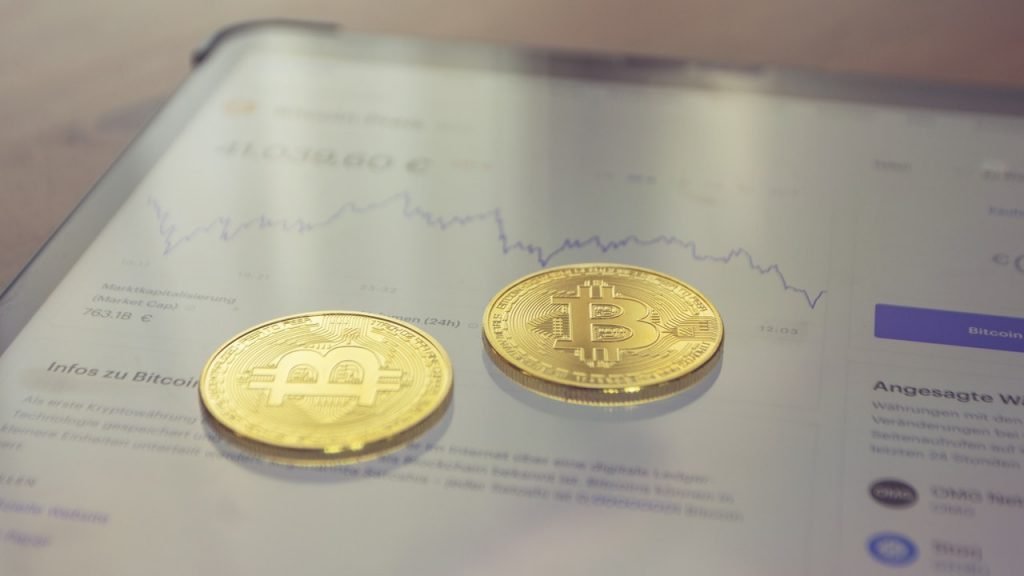
Kraken vs. Coinbase
Kraken and Coinbase are the best and foremost remarkable crypto exchange networks worldwide. Each allows you to shop for various currencies using paper money (U.S. dollars or Euro). Furthermore, they are for skilled and novice investors.
A high number of traders enjoy Kraken’s fewer fee services and high trading limits. New investors from within the U.S admire the ease of Coinbase’s digital wallet and funding options. Unlike Kraken, Coinbase serves U.S.-based traders.
Features
Cryptocurrency exchanges are a great payment option for industry investors and newcomers. Kraken offers various aspects ideal for worldwide U.S. traders and investors who don’t mind abandoning convenience for lower fees and extra services. Not only that but Coinbase’s digital options facilitate processes for U.S. investors.
Availability
Coinbase caters to trading in over 100 countries while Kraken in 176. Nevertheless, both give various functions counting on location. For example, Kraken isn’t available in New York or Washington, and Coinbase isn’t available to Hawaii residents.
PayPal vs. Payoneer
The fundamental differences between PayPal and Payoneer are transfer fees and network relationships. Payments and security via PayPal are safer and available with fewer fees than Payoneer transactions.
PayPal’s biggest network and international currency abilities make it simple to send payments around worldwide. Transfer rate with Payoneer transactions occurs within 0-3 business days, while PayPal occurs within 1-2 business days.
Whether growing a business or starting an overseas team, making payments to international freelancers is often a costly process. Of course, how you pay people significantly influences timing, fees, and easy use. When it involves making global payments, you will sort of a financial services company to meet your organization’s needs.